

Experience SOS 2026 Through Our Lens
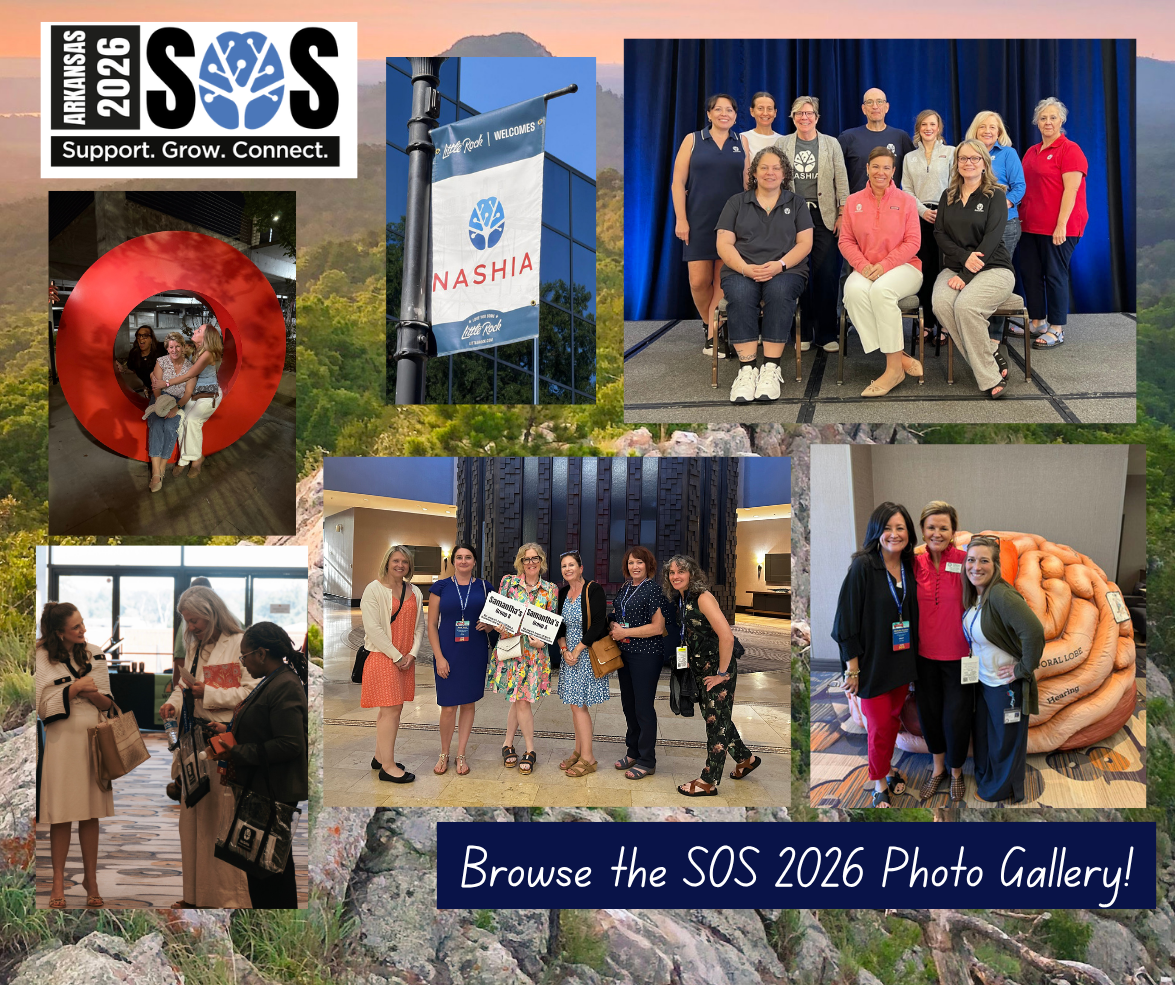
Little Rock, you were unforgettable! SOS 2026 was officially one of our highest attended conferences to date—and featured a RECORD number of exhibitors filling our hall with innovation and resources!
From packed session rooms to meaningful hallway connections, this gathering brought together professionals, advocates, and individuals with lived experience from across the nation to drive real change in brain injury care.
We want to send a huge THANK YOU to everyone who made it happen—our attendees, expert speakers, sponsors, and incredible exhibitors. You made this conference extraordinary!
Our official photo gallery is now LIVE online. Take a look back at the inspiring keynotes, vibrant exhibit hall, and special community celebrations that made SOS 2026 one for the record books.
Announcing the Brain Injury Resource Facilitation Implementation Guide!
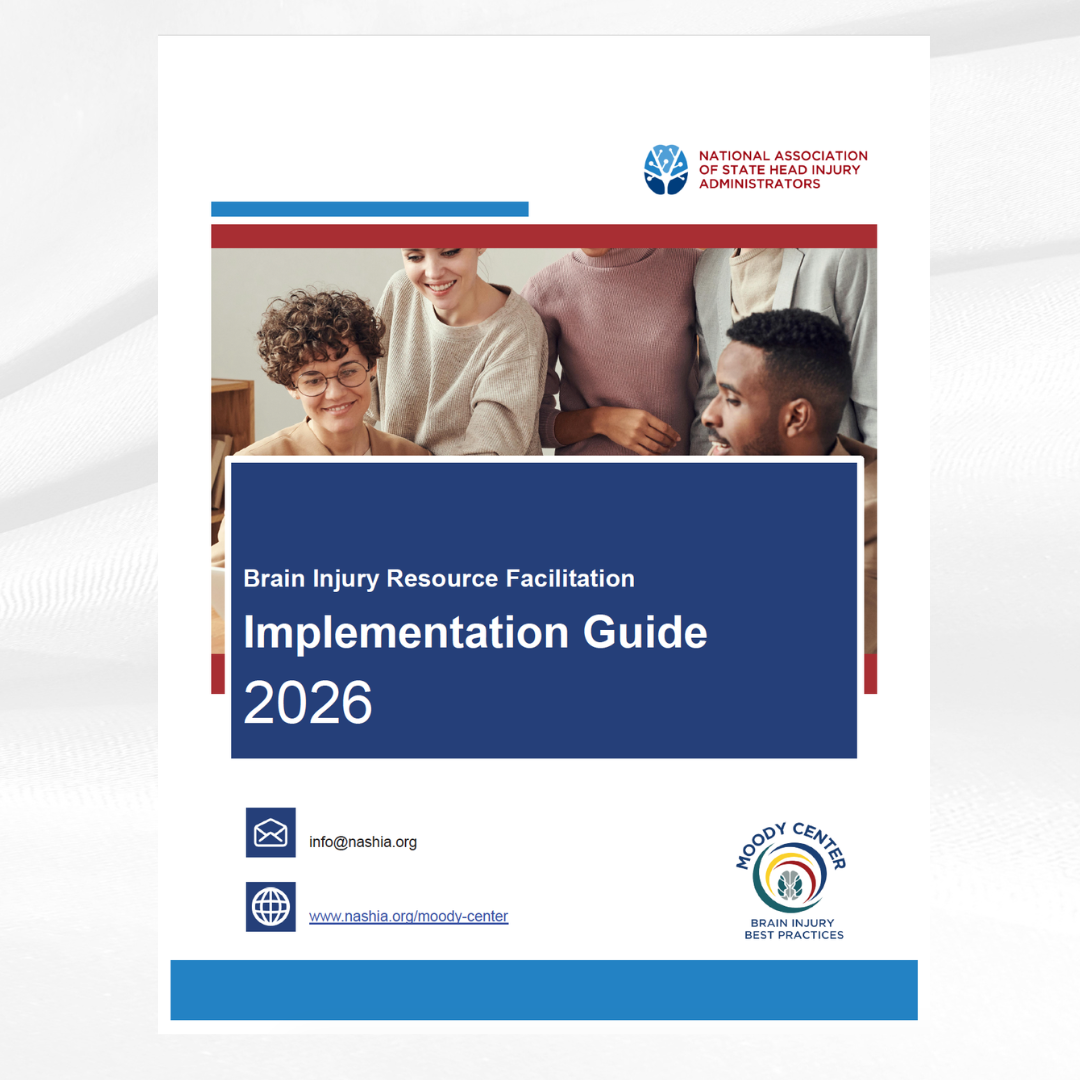
Check out the Guide at the new Moody Center for Best Practices Webpage!
Evidence shows that Brain Injury Resource Facilitation improves return to work/school after brain injury and reduces recidivism among justice-involved individuals with a traumatic brain injury (TBI). It is also associated with decreased disability and reduced overall service needs for individuals. Because brain injury is now recognized as a chronic condition, Brain Injury Resource Facilitation serves as an ongoing approach to mitigate or manage long-term effects.
To strengthen consistency and quality, a national consensus was developed around:
Components of Brain Injury Resource Facilitation
Principles & approaches
Outcomes, measurements, & common data elements
In 2023, the National Association of State Head Injury Administrators (NASHIA) - funded by the Moody Endowment - led a Delphi Consensus process with national brain injury leaders, resulting in Brain Injury Resource Facilitation: A Consensus on Best Practices (the “Consensus” report). In 2024, Moody Endowment provided additional funding to NASHIA to establish the Moody Center for Brain Injury Best Practices. The first two-year cohort used the Consensus findings to develop this implementation guide.
The goal of this guide is to support programs with launching, expanding and sustaining a Brain Injury Resource Facilitation program. This guide provides recommendations and best practices and is not mandatory for implementation.
Technical Assistance Services
Allow us to help your state create sustainable systems of care that are comprehensive, respect differences in customs and traditions, survivor-centered, and encompass individuals with TBI and family members.
Learn More +
New Resources