Brain injury is not a single event — it is often a chronic condition with lifelong implications. Individuals may be living with the effects of a catastrophic injury and experiencing a Disorder of Consciousness (DoC), or navigating the cumulative impact of multiple untreated brain injuries related to falls, intimate partner violence, substance use, or other causes. In community programs, justice settings, skilled nursing facilities, and rehabilitation environments, neurological functioning profoundly shapes behavior, insight, decision-making capacity, and engagement.
This interactive workshop examines the ethical implications of supporting individuals living with acquired brain injury (ABI) and other neurocognitive disorders across systems of care. Participants will explore neuro-ethical decision making — the process of making ethical choices that recognize how brain injury can affect cognition, behavior, emotional regulation, and capacity, while still honoring the person’s rights, values, and autonomy.
The session will also address systems-level considerations that influence ethical practice, including:
The impact of the CMS 3-Hour Rule in inpatient rehabilitation and how intensity requirements intersect with patient tolerance, medical stability, and Disorders of Consciousness.
Application of the 2018 practice guidelines from the American Academy of Neurology (AAN) regarding Disorders of Consciousness, including the importance of standardized assessment, careful prognostication, and family-centered communication.
Ethical tensions between productivity expectations, safety concerns, and meaningful participation in care planning.
Through case examples, readings, and guided discussion, attendees will apply supported decision-making strategies, identify accommodations that enhance participation, and examine how to balance protection with self-determination.
Participants will leave with practical tools to:
Integrate brain-informed ethical reasoning into community practice
Advocate effectively within regulatory and reimbursement frameworks
Reduce systemic harm while promoting dignity, autonomy, and equitable access to care
Learning Objectives
By the end of this workshop, participants will be able to:
Describe brain injury as a chronic condition and explain how acquired brain injury (ABI), including Disorders of Consciousness (DoC), can affect cognition, behavior, insight, and decision-making capacity across community settings.
Summarize key recommendations from the 2018 practice guidelines by the American Academy of Neurology related to assessment, prognostication, and management of Disorders of Consciousness.
Explain how the Centers for Medicare & Medicaid Services (CMS) 3-Hour Rule in inpatient rehabilitation settings may create ethical tensions between therapy intensity requirements and patient tolerance, medical complexity, or neurobehavioral presentation.
Apply principles of neuro-ethical decision making to case scenarios involving individuals with ABI, including those who are justice-involved, living in long-term care, or without formal diagnosis.
Differentiate between substituted decision-making and supported decision-making approaches, and identify at least three practical accommodations that enhance meaningful participation in care planning.
Analyze ethical dilemmas that arise when safety concerns, autonomy, regulatory requirements, and reimbursement structures intersect in community brain injury services.
Presenters
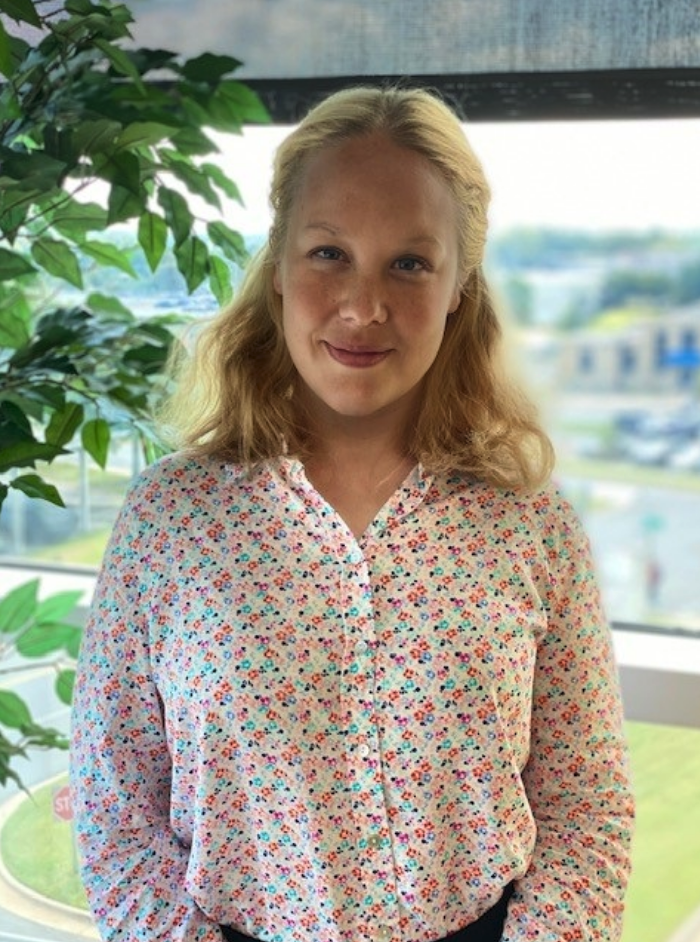
Dr. Chrystal Fullen, PsyD, is a Clinical Neuropsychologist serving Baptist Health Rehabilitation Institute, a CARF-accredited acute rehabilitation center in Central Arkansas. She graduated from Our Lady of the Lake University with a doctorate degree in Psychology and completed her clinical internship at the South Texas VA in Clinical Neuropsychology. Her fellowship training was completed at the University of Arkansas for Medical Sciences, where she focused on furthering her specialization in
neuropsychological assessment and treatment of acquired brain injury and rehabilitation. To that end, she developed a multi-tiered cognitive rehabilitation program at UAMS and an inpatient neuropsychological service to expand assessment and intervention in its Level I trauma center. She provides local and national consultation for brain injury awareness, advocacy, and outcome-oriented care. Throughout her career, she has also provided education and training as a clinical supervisor for neuropsychological assessment and intervention across medical settings. She is well versed in the tenets of program development and evaluation in psychology. Currently, she is working to further brain injury peer support mentorship across the state of Arkansas.
Her work has expanded to the MS population, with a focus in multidisciplinary collaboration in assessment, rehabilitation, psychoeducation, and brief solution-focused therapy for MS patients. She serves on the Arkansas MS Council and collaborates in MS research. She recently developed updated evidence-based manualized treatment for rehabilitation medicine in both MS and TBI.
Dr. Fullen's research has also focused on rehabilitation, epilepsy, brain injury, dementia, and performance validity measures.
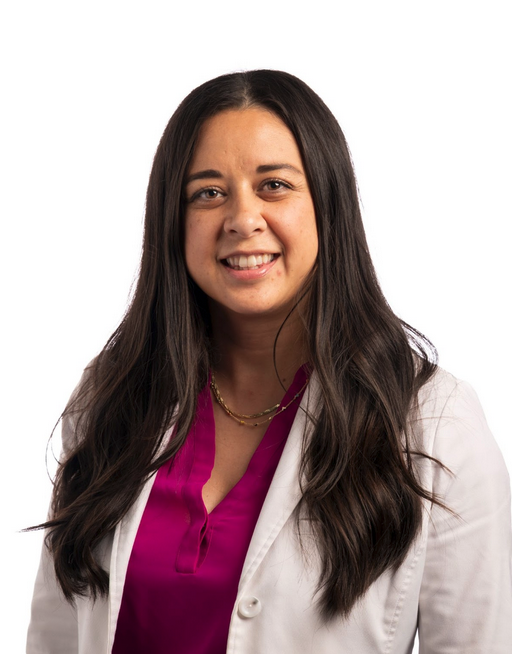
Rani Gardner, MD, is an Associate Professor, Division Chief, and Residency Program Director of PM&R at UAMS. A UAMS alumna, she is double board-certified in PM&R and Brain Injury Medicine. She serves as Medical Director at Baptist Health Rehabilitation Institute and Physician Director of their Brain Injury Team.
Cost/Certificate
$100 NASHIA Members
$125 Non-members
SW CEs or General Certificate of Attendance included in the cost of registration. CRCC Ethics hours approved!