
An estimated 17–23% of U.S. service members and veterans experience a traumatic brain injury, and many also face co-occurring mental health challenges such as post-traumatic stress disorder, depression, and suicide risk—highlighting a critical need for coordinated, effective systems of care. This webinar explores innovative, collaborative approaches to advancing mental health and brain injury supports for service members, veterans, and their families.
The session features national efforts led by SAMHSA’s Service Members, Families, and Veterans Technical Assistance (SMVF TA) Center, which serves as a national resource to support states, territories, tribal and local communities in strengthening capacity to address the behavioral health needs of service members, veterans, and their families. The SMVF TA Center will introduce the newly released CCBHC Toolkit, their role in advancing the Governor’s Challenge to Prevent Suicide Among Service Members, Veterans, and their Families. Attendees will also gain insight into Crisis Intercept Mapping for SMVF—an approach that helps communities assess and strengthen coordinated responses to veterans in crisis.
Highlighting the work of Avalon Action Alliance, a national effort geared toward training and treatment programs for veterans and first responders who suffer from co-occurring symptoms related to traumatic brain injury TBI, PTSD, and substance use disorders, participants will learn about services and the VICTORY trial—a multicenter study evaluating an interdisciplinary treatment model for mild TBI to establish a new standard of care.
Finally, the webinar spotlights leadership from Blayne Smith and the George W. Bush Institute through the Check-In program, a tool designed to connect veterans and their families to person-centered mental and brain health care. Powered by the Veteran Wellness Alliance, this effort brings together a national network of peer organizations and clinical providers to address the invisible wounds of service through coordinated, accessible care.
Together, these efforts reflect a growing movement toward integrated, evidence-driven, and community-informed solutions that strengthen systems of care and improve outcomes for those impacted by brain injury and mental health challenges.
Presenters
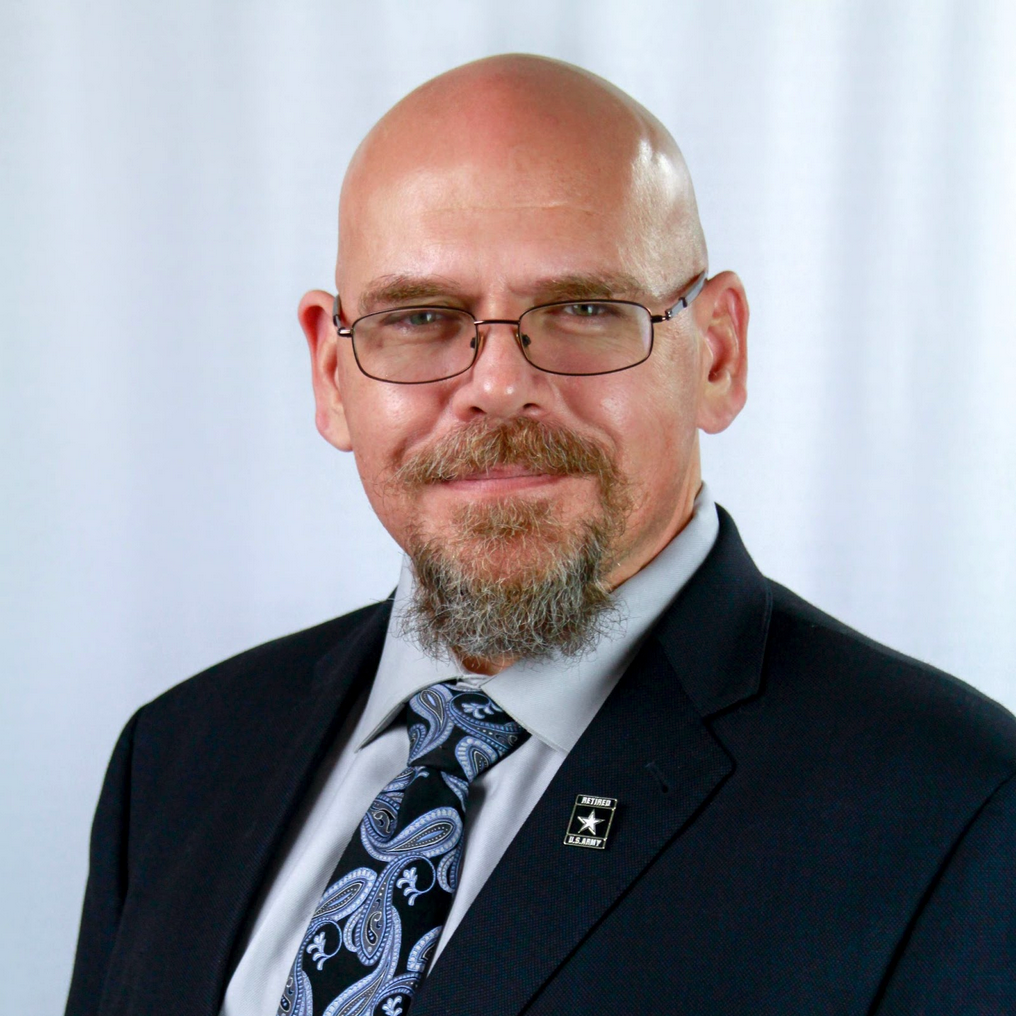
Duane France, MA, MBA, LPC
Co-Director
SAMHSA’s SMVF TA Center, Policy Research Associates
Mr. France serves as Co-Director of SAMHSA’s Service Members, Veterans, and their Families Technical Assistance (SMVF TA) Center at Policy Research Associates (PRA). In this role, Mr. France is responsible for the
overall coordination and oversight for all technical assistance planning and delivery, including virtual and in-person events such as webinars, learning communities, site visits, Policy Academies, and conferences. Mr. France works directly with state and local interagency teams to support strategic planning and implementation that strengthens the behavioral health systems that serve the SMVF population in states and communities across the nation. In his role he is responsible for coordinating with federal partners, developing relationships with national experts, monitoring of emerging trends, planning for technical assistance events, and supervision of systems for tracking TA trends and outcomes. Mr. France is a retired Army Noncommissioned Officer, combat veteran, and clinical mental health counselor. After retiring from a twenty-two year military career, in which he served Germany, Iraq, Afghanistan, Bosnia-Herzegovina, North Africa, and various U.S. based assignments, Mr. France served as a clinical mental health counselor for a large outpatient behavioral health practice that specialized in the mental health and wellness needs of service members, veterans, and their families. He also served as the Executive Director of a veteran mental health nonprofit that was professionally affiliated with the outpatient practice. His role also included community and government relations for the organization, in which he helped to establish a suicide prevention coalition in his community. He was a member of the inaugural class of the George W. Bush Institute Stand-To Veteran Leadership Program, a leadership development program that supports rising leaders from a wide range of sectors who are working to improve outcomes for veterans and military families through professional and/or community engagement. He served for two terms as the Co-Chair of the Public Policy and Legislation Committee for the American Counseling Association and is active in advocacy and awareness of the mental health needs for the military affiliated population.
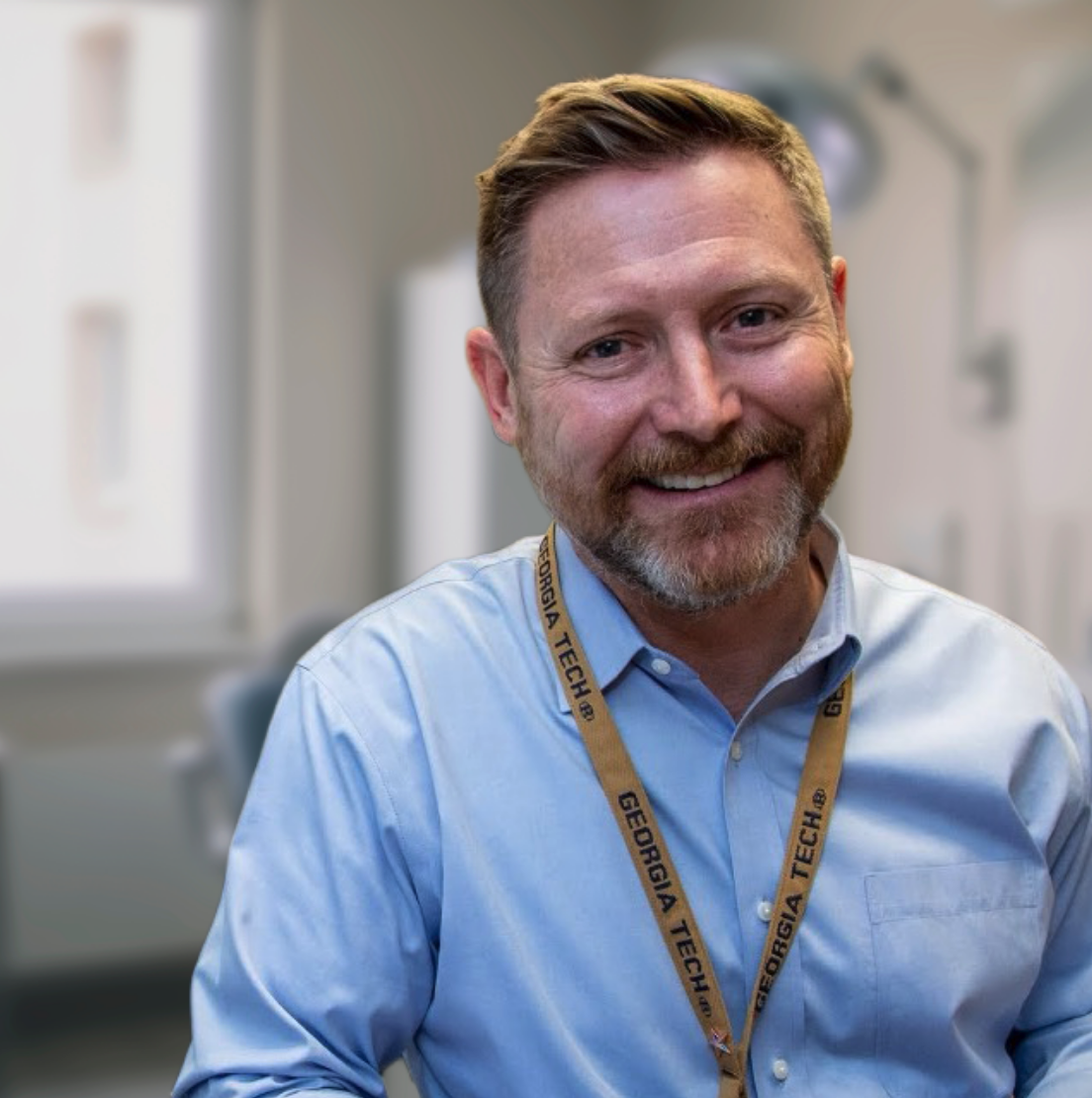
Russell Gore, MD
Chief Medical Officer
Avalon Action Alliance
Dr. Russell “Rusty” Gore serves as the Chief Medical Officer of the Avalon Action Alliance where he is responsible for strategic leadership, clinical program development, quality improvement, clinical collaboration and partnerships, and alliance research and innovation initiatives.
Rusty is the Founding Director of the Complex Concussion Clinic at the Shepherd Center and serves as Medical Director for Shepherd’s SHARE Military Initiative. Clinically he is a neurologist specialized in traumatic brain injury and the vestibular, oculomotor, and balance systems with specific interest in the assessment and rehabilitation of athletes, service members, and veterans with protracted recovery after mild TBI. Rusty directs Shepherd Center’s Mild Traumatic Brain Injury (mTBI) Brain Health and Recovery Laboratory and he is an adjunct Associate Professor in the Wallace H. Coulter Department of Biomedical Engineering at the Georgia Institute of Technology. He leads an interdisciplinary research team developing methods to assess, quantify, and treat brain injury for military and sports applications. His research has been supported by numerous foundations, the National Institutes of Health, and the Department of Defense. He serves as a concussion/TBI consultant and advisor for national athletics organizations, college and professional sports teams, the Veterans Administration, and the Department of Defense. Before starting his career in neurology, Rusty served for 8 years as a flight surgeon in the US Air Force. As a military physician, he cared for soldiers at home and overseas, experiencing first-hand the immediate trauma and devastating aftermath of combat injuries. He flew operationally as a flight surgeon, including supporting F15E operations and combat air evacuation. He also served as a physician-scientist at the Air Force Research Laboratory where his research focused on brain injury, aviation fatigue, and the development of noninvasive technology to assess pilot performance in advanced aviation systems. Rusty and his wife, Jane, live in Atlanta and have 2 children and 1 labradoodle.
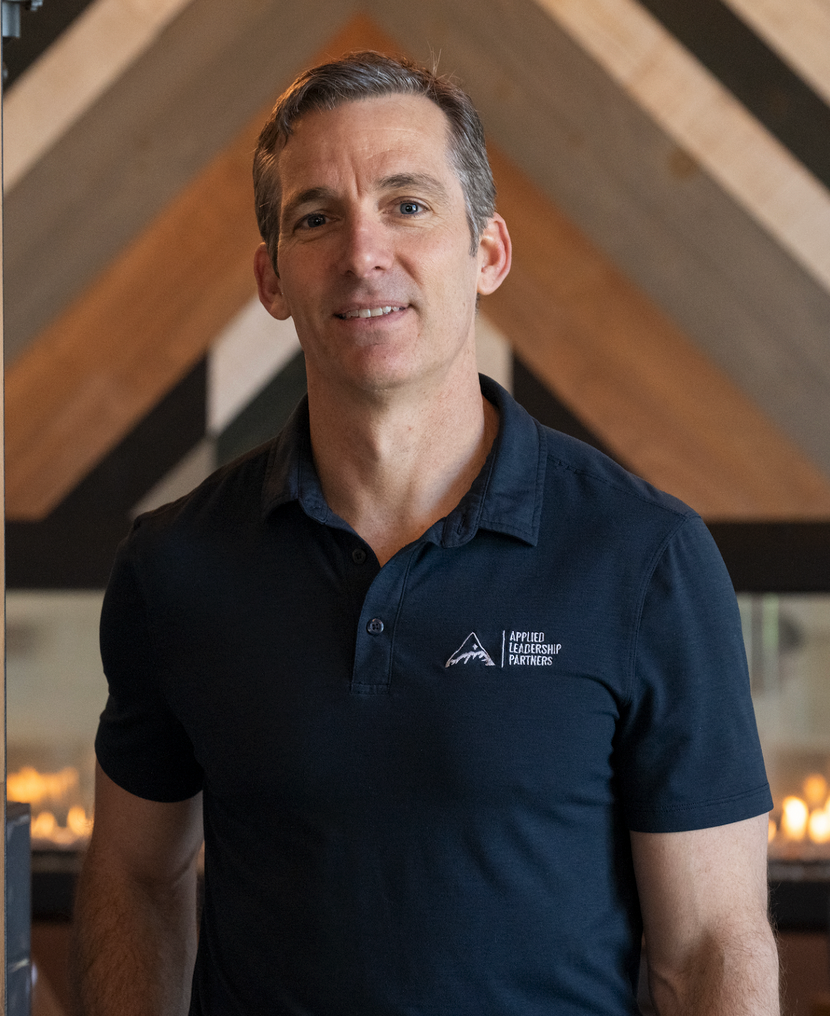
Blayne Smith
Director of Health and Wellbeing
George W. Bush Institute
Blayne Smith is a West Point graduate, former Green Beret, and decorated combat veteran who has transitioned into a highly effective business and social impact leader. He is the co-founder of Applied Leadership Partners and the coauthor of Perseverance > Endurance.
Blayne is also one of the most trusted voices in the Veterans landscape, serving as the health and wellbeing director at the George W. Bush Institute, as well as on the boards of the Armed Services Arts Partnership and GORUCK. Blayne holds an MBA from the University of Florida and currently lives in Maine with his wife and three children.
Cost/Certificate
NASHIA webinar attendance is always FREE!
Social Work CEs available:
$10 NASHIA Members
$15 Non-members
General Certificate available:
Free for NASHIA Members
$15 Non-members